Serving
All OCES Islands
Working Hours
Monday - Friday
8 am - 5 pm
Sat - Sunday & Public Holidays
Closed

Serving
All OCES Islands
Working Hours
Monday - Friday
8 am - 5 pm
Sat - Sunday & Public Holidays
Closed
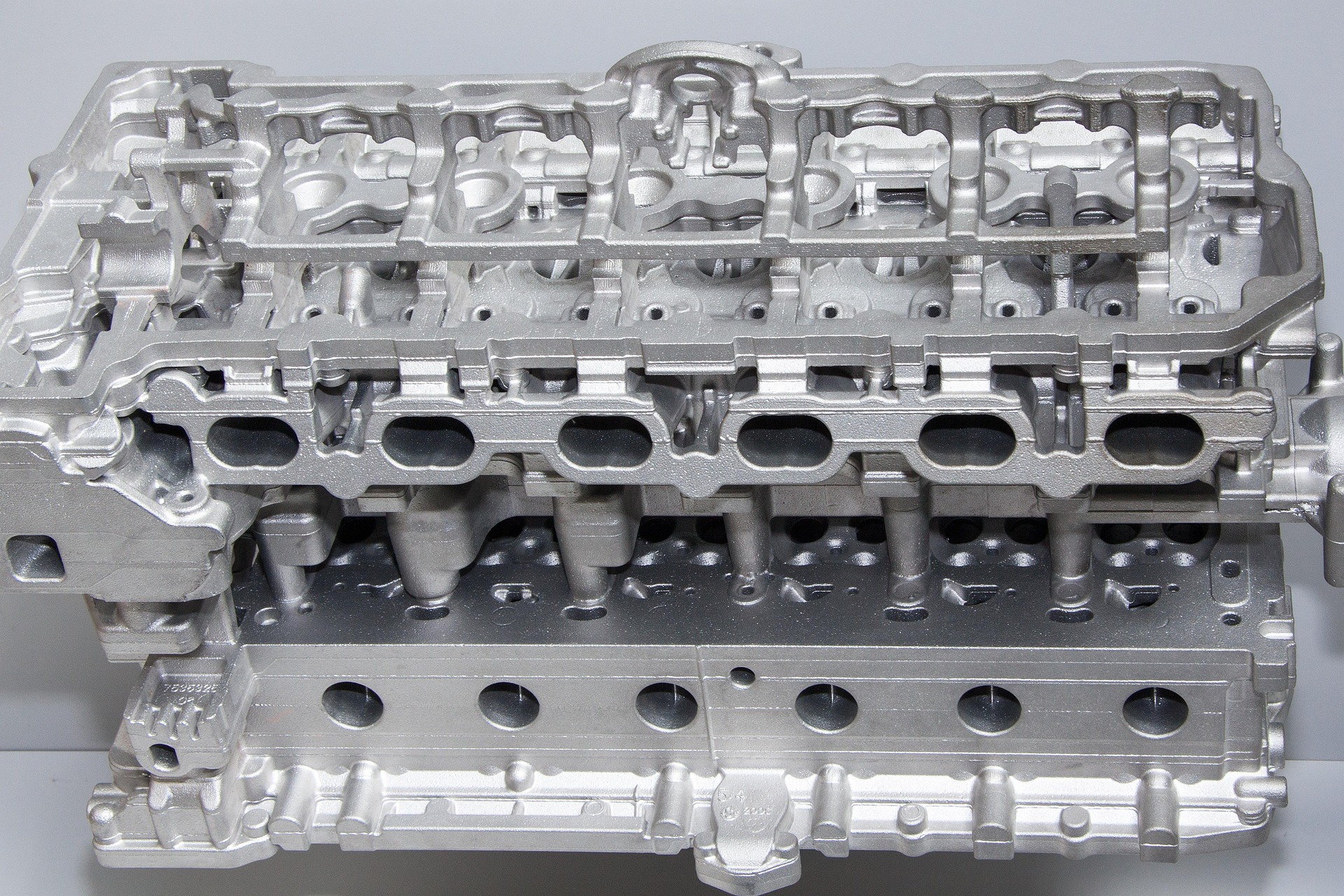
Island mechanics are some of the most capable in the world. That is not flattery — it is a practical reality. When the nearest specialist is a flight away, when parts availability is limited, and when a vehicle needs to keep running regardless, you develop a level of resourcefulness that most mainland workshops never need.
But resourcefulness has limits. And on an island, the cost of a repair that goes wrong is compounded in ways it simply isn’t elsewhere. This article is not a pitch for professional services. It is an honest assessment of where DIY makes sense, where it doesn’t, and why the island context changes the calculation in ways worth understanding before you pick up a spanner.
What changes the DIY calculation on an island
On the mainland, the downside of a DIY repair going wrong is usually manageable. You take the vehicle to a workshop, the mechanic diagnoses what happened, and the situation gets resolved. Parts are accessible. Labour turnaround is relatively fast. The cost of the mistake is real but bounded.
On an island, the same mistake carries a different weight. If a repair goes wrong and requires a part you don’t have, you are looking at a sourcing and freight cycle before the vehicle moves again. If the mistake causes secondary damage — a stripped thread, a cracked housing, a seal that was not seated correctly — you may need components that take weeks to arrive. And if the vehicle is your primary means of getting to work, running your business, or moving your family, those weeks matter in ways that go well beyond the repair cost.
None of this means you should not work on your own vehicle. It means the honest question before any DIY job is not just “can I do this?” but “what happens on my island if this goes wrong?”
Jobs that make clear sense to DIY
There is a category of maintenance and repair work that is straightforward, carries low failure risk, and does not require specialist tools or a lift. For these jobs, doing it yourself is entirely sensible and saves money that is better spent elsewhere.
Cabin air filter and engine air filter replacement fall here without question. These are accessible, tool-minimal jobs with zero risk of secondary damage. Oil and filter changes, for anyone comfortable with the basics, sit in the same category. Spark plug replacement on most common island vehicles is similarly approachable. Wiper blade replacement, battery changes, minor bulb replacements — all of these are jobs where the DIY calculation is straightforwardly positive.
Jobs that require honest assessment
Brake pad replacement sits in a middle category. It is a job many competent DIYers handle without issue — but it requires care, the right tools for compressing the caliper piston, and crucially, the discipline to check that the job is done correctly before the vehicle moves. On an island, a brake job that is 95% right is not acceptable. If you have done it before and you have the tools, it can make sense. If it is your first time, this is not the job to learn on.
Coolant system work, serpentine belt replacement, and throttle body cleaning require more mechanical familiarity and carry higher consequences if something goes wrong. They are not impossible DIY jobs but they deserve careful consideration about your actual skill level and parts availability before you start.
Jobs to leave alone
Timing belt and timing chain work is at the top of this list. A timing belt job done incorrectly — even slightly — can cause catastrophic engine damage. On an island, that means an engine sourcing and replacement process that could stretch for months. The professional labour cost for a timing belt service is not cheap. It is also nowhere near the cost of an engine replacement.
Wheel bearing replacement requires a hydraulic press in most cases. Without the right equipment, this job cannot be done properly. Attempting it without a press risks damage to the hub, the bearing itself, and connected components. This is a workshop job without exception.
Suspension geometry work — alignment, camber adjustment, anything that affects how your tyres contact the road — requires alignment equipment. No amount of mechanical skill compensates for not having the right tools here, and incorrect geometry accelerates tyre wear in a context where tyres are also a freight-dependent purchase.
Transmission and gearbox work, engine internal work, and anything involving the ABS system are all jobs where the diagnostic complexity, tooling requirements, and consequence of error put them firmly in the professional category for the overwhelming majority of vehicle owners.
The honest framework
Before any DIY job, three questions are worth asking. Do you have the right tools — not improvised alternatives, but the right tools? Have you done this specific job before, or are you learning on this vehicle? And if something goes wrong mid-job on your island, what does the recovery actually look like?
If the answers point toward professional help, that is not a failure of capability. It is the right call for the context you are in. A mechanic on your island who does the job correctly the first time is almost always the more economical choice when the full island cost of a mistake is factored in.
Your vehicle, your call. But the island context deserves to be part of that decision.
Need a part for your next job? Get a quote here → (link to quote landing page)
